Starting a yoga practice can feel daunting, especially if you consider yourself inflexible or have tight muscles. The good news is that yoga is inherently adaptable, making it accessible for everyone, regardless of their starting point. For those just beginning their journey, focusing on tight hips and hamstrings can lead to significant improvements in comfort and mobility.
Understanding the Importance of Flexibility
Flexibility is often misunderstood. Many believe that one must be naturally flexible to practice yoga effectively. This myth can discourage beginners from exploring the benefits of yoga. In reality, most people experience tightness in their hips and hamstrings due to sedentary lifestyles or repetitive movements. Regularly practicing specific poses can gradually increase flexibility, enhance strength, and promote relaxation.
For instance, after years of sitting at a desk job, I found my hamstrings were particularly stiff. Engaging in targeted yoga routines not only helped me touch my toes but also improved my overall well-being. With consistency, even those who think they are bound by inflexibility can see progress.
Essential Poses for Tight Hips and Hamstrings
Incorporating specific poses into your routine can unlock your body’s potential while easing discomfort associated with tight muscles. Here are some beginner-friendly yoga poses that target these areas:
Forward Fold (Uttanasana): Stand tall with your feet hip-width apart. As you exhale, hinge at the hips to bend forward, letting your arms hang toward the ground or grasping opposite elbows. This pose stretches the hamstrings while promoting relaxation.
Pigeon Pose (Eka Pada Rajakapotasana): Start in a tabletop position and bring one knee forward towards your wrist while extending the opposite leg back. This deep hip opener may feel intense at first but offers immense relief with practice.
Lizard Pose (Utthan Pristhasana): From a downward-facing dog position, step one foot outside your hand on the same side. Lower your hips towards the mat while keeping your back leg straight. This pose works wonders for both hip flexibility and strength.
Seated Forward Bend (Paschimottanasana): Sit on the floor with legs extended before you. Inhale as you reach up with your arms; exhale as you fold forward over your legs, feeling a gentle stretch in your hamstrings.
Butterfly Pose (Baddha Konasana): Sit on the floor and bring the soles of your feet together while letting your knees fall out to the sides. Gently press down on your knees to deepen the stretch in your hips.
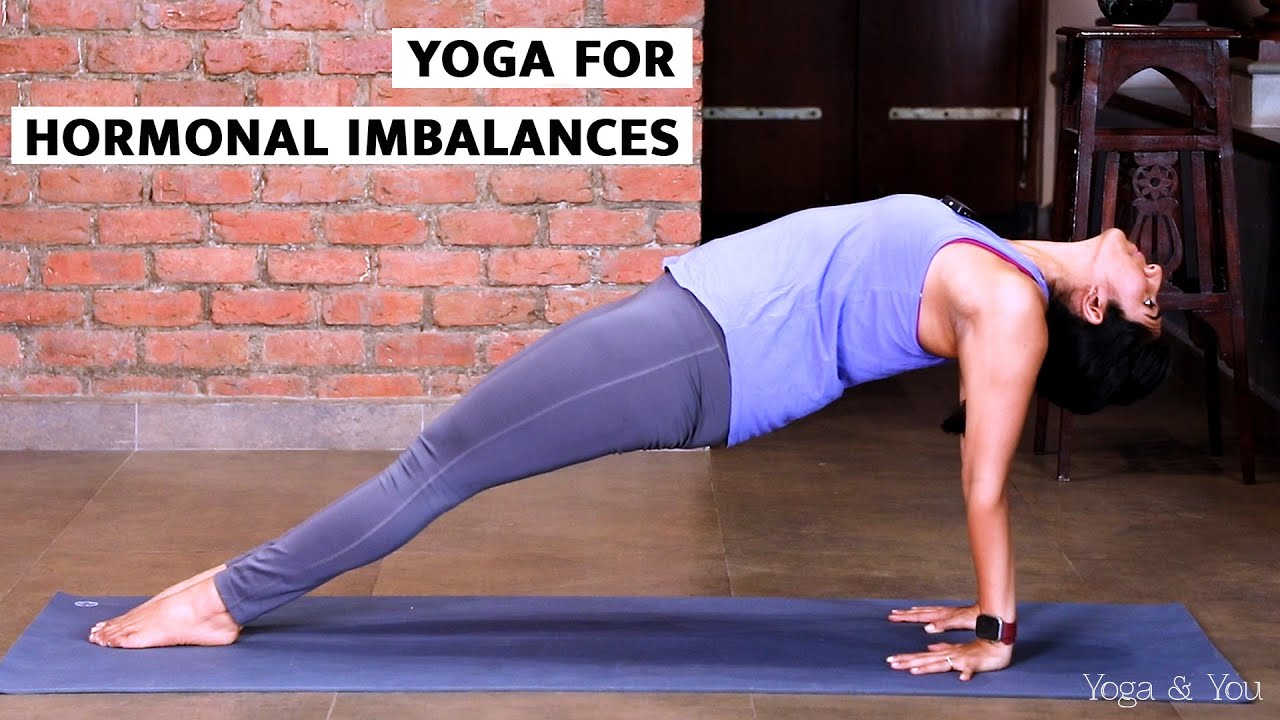
Each pose should be approached mindfully, focusing on breath rather than pushing too hard into discomfort. Ease into each position; if you feel tension rather than stretch, back off slightly.
Creating a Beginner-Friendly Routine
A Learn more simple routine incorporating these poses can be done in about 20 minutes, making it perfect for beginners looking to practice at home or even during breaks at work:

- Start with gentle warm-ups like neck rolls or shoulder shrugs. Move through each pose slowly—holding each for 3-5 breaths. Incorporate modifications as needed; use blocks or blankets for support. Always listen to your body; if something feels wrong, adjust accordingly.
Practicing consistently will yield noticeable results over time—both physically and mentally.
Modifications for Every Body
One of the most important aspects of yoga is understanding that everyone's body is different and requires unique approaches based on individual needs and limitations. If you cannot touch your toes yet or feel discomfort in any pose, consider these modifications:
- For Forward Fold: Bend your knees generously to relieve tension in the lower back while still enjoying a nice stretch through the hamstrings. In Pigeon Pose: If bringing one knee forward feels uncomfortable, try lying flat on your back instead and gently pulling one knee towards you—this provides similar benefits without added strain. Use props like blocks under hands in standing poses or sit on a folded blanket during seated stretches to elevate hips above knees for better alignment.
These options make yoga more inclusive for all practitioners, regardless of flexibility levels or previous experience.

Building Confidence Through Practice
Yoga isn’t just about physical postures but also cultivating self-awareness and confidence within oneself. Although it may seem intimidating at first to step onto a mat surrounded by experienced practitioners—or even alone—it’s crucial to remember that everyone starts somewhere.
Celebrate small victories along the way—like finally being able to hold Pigeon Pose longer than before or noticing less stiffness after sitting all day at work. Regular practice builds not just flexibility but also resilience and determination.
The journey itself becomes an essential part of developing a deeper connection with both body and mind—a relationship that enriches daily life far beyond the mat's surface.
Final Thoughts
Embarking on this journey towards greater flexibility is unique for each individual but universally rewarding when approached with patience and curiosity. Embrace where you are right now; every effort counts toward progress.
Whether you're exploring beginner yoga routines aimed at tight hips and hamstrings or seeking ways to ease into gentler practices at home, remember: it's not about achieving perfection but nurturing growth over time through consistent engagement with yourself and this ancient practice. With dedication comes not only improved flexibility but an enhanced sense of well-being that extends far beyond physical confines—it's about finding peace within yourself amidst life's complexities.