Yoga is often seen as a graceful practice filled with flowing movements and intricate poses. However, for those just starting out, especially if flexibility is limited or discomfort is present, the journey can seem daunting. The beauty of yoga lies in its adaptability. With thoughtful modifications, individuals can create a practice that feels authentic and supportive, no matter their starting point or physical condition.
Understanding Your Body's Needs
Before diving into specific modifications, it’s important to understand your body and its unique needs. Each person's body is different, shaped by various factors such as age, lifestyle, and previous injuries. Listening to your body—what feels good and what doesn’t—is crucial in any yoga practice.
For instance, if you experience tightness in your hips or hamstrings, certain poses may require adjustments to ensure safety and comfort. Recognizing these limitations allows you to navigate your practice with confidence rather than frustration.
Essential Modifications for Common Poses
Many beginner-friendly yoga routines incorporate basic poses like Downward Facing Dog or Warrior I. However, these poses can sometimes be intimidating if you're not yet flexible or strong enough to perform them comfortably. Here are some modifications that can help:
Downward Facing Dog
If reaching the floor with your heels feels impossible, try bending your knees slightly or elevating your hands on a sturdy surface like a chair or block. This adjustment helps maintain the pose's benefits without straining.
Warrior I
In Warrior I, if bending deeply into the front knee causes discomfort, consider shortening your stance. You can also keep the back heel lifted instead of pressing it down into the mat. This modification provides stability while allowing you to focus on alignment.
Seated Forward Bend
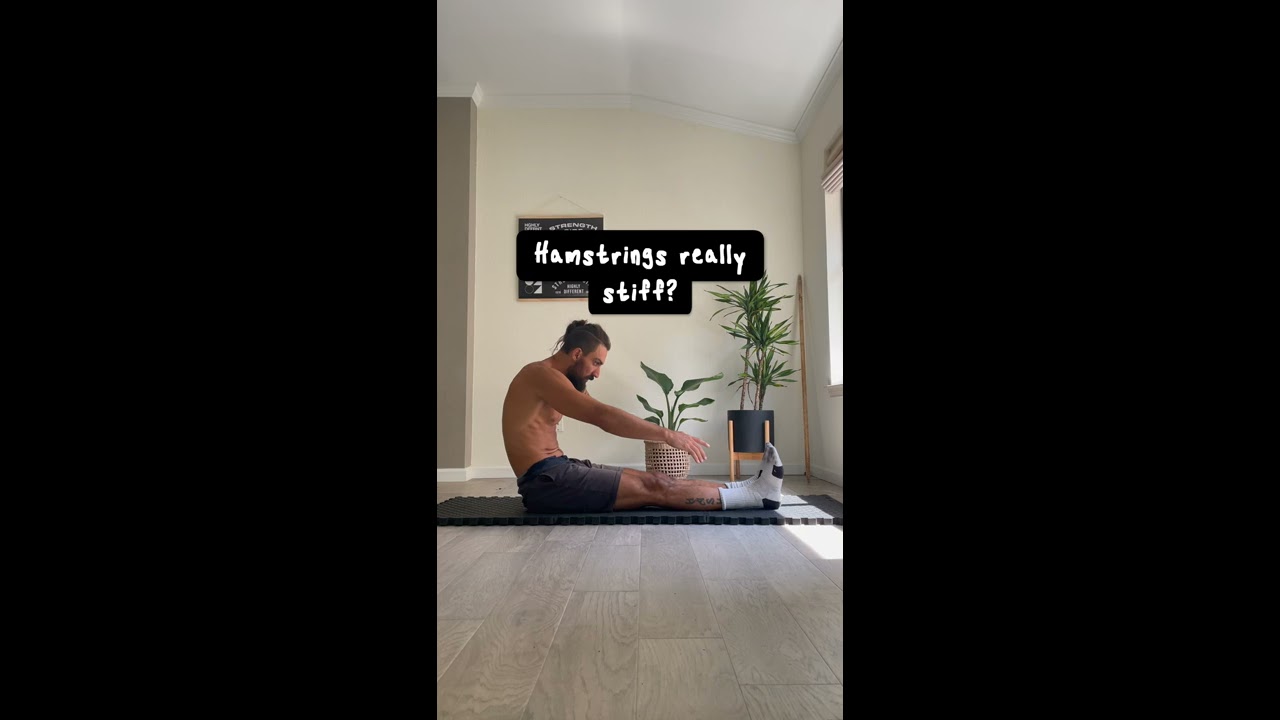
For those who struggle to reach their toes while seated, consider using a strap around your feet for assistance. Holding onto the strap allows you to gently pull yourself forward without forcing the stretch.

These modifications not only make poses accessible but also encourage a sense of empowerment as you recognize that yoga is truly for everyone—regardless of flexibility or strength.
The Importance of Props
Props are invaluable tools in a beginner's yoga toolkit. They provide support and enhance alignment while allowing for deeper exploration of each pose without risking injury. Common props include blocks, straps, blankets, and bolsters.
- Blocks help bridge gaps between the floor and your hands during standing poses. Straps assist with stretches by providing an extension of your reach. Blankets can offer cushioning under joints or be used for support in seated positions. Bolsters are great for restorative practices, providing comfort during longer holds.
Using props encourages relaxation and proper alignment while helping you build strength gradually over time.
Building Confidence Through Consistency
Consistency is key in developing both flexibility and strength through yoga. Consider establishing a regular practice schedule that fits seamlessly into your daily routine—whether it's morning stretches to start your day energized or evening sessions focused on relaxation before bed.
Even 10 minutes a day can lead to significant improvements in how you feel both physically and mentally. As you grow more familiar with various poses and modifications, you'll find yourself more confident in trying new movements and exploring different styles of yoga.
Connecting Breath with Movement
Breath serves as an anchor during yoga practice, guiding movement and enhancing awareness. For beginners who may feel overwhelmed by unfamiliar sequences or postures, focusing on breath helps cultivate presence and calmness.
Start with simple breathing exercises such as diaphragmatic breathing—inhale deeply through the nose while expanding your belly, then exhale slowly through the mouth. Integrating this breath awareness into each pose creates a more enriching experience while reducing anxiety about performing perfectly.
Gentle Yoga Styles for Beginners
If traditional vinyasa flows feel too fast-paced or challenging right now, consider exploring gentler styles like Hatha or Restorative yoga. These practices emphasize slow movements paired with deep breathing techniques which can greatly benefit beginners seeking stress relief along with physical benefits.
Restorative Yoga
Restorative yoga focuses on relaxation through supported postures held for longer durations—often five minutes or more—allowing time for deep release within tight muscles and tissues. This style promotes balance within the nervous system while encouraging mindfulness—a perfect choice when navigating hormonal fluctuations linked to stress levels.

Yin Yoga
Yin yoga involves longer holds (three to five minutes) targeting deeper connective tissues like tendons and ligaments rather than muscles alone; this approach cultivates patience while improving overall flexibility over time.
Both styles offer opportunities to connect mindfully with Click for info each moment spent on the mat while fostering emotional balance—a particularly valuable aspect of practicing yoga focused on hormonal health.
Cultivating Mindfulness Beyond Physical Practice
Yoga transcends physical postures; it encompasses mental awareness too. Engaging in mindful practices fosters self-awareness beyond our daily routines—a powerful benefit for beginners looking not only to improve their physical capabilities but also enhance emotional wellbeing amidst life's stresses.
Consider including meditation practices alongside physical sessions; even five minutes spent sitting quietly observing thoughts can significantly shift perspectives over time toward greater acceptance—both on-and-off-the-mat experiences integrate seamlessly together!
Ultimately every individual journey is unique within their own space on this path towards enhanced well-being through yoga! Embrace each step along yours wholeheartedly—trusting yourself fully throughout this transformative process unfolds beautifully when approached gently yet intentionally!