The modern workplace can be a double-edged sword. On one side, technology connects us and streamlines our tasks, but on the other, it encourages long hours of sedentary behavior that wreak havoc on our bodies. If you've ever experienced discomfort in your neck, shoulders, or back after a long day at the office, you're not alone. Poor posture is a common issue among desk workers, leading to chronic pain and diminishing overall well-being. Thankfully, incorporating yoga into your daily routine can help alleviate these problems.
Understanding the Impact of Poor Posture
Poor posture often stems from sitting for extended periods without proper ergonomic support. Slouching in your chair or leaning forward toward your screen can lead to what many call "tech neck," a condition characterized by neck pain and stiffness caused by tilting your head forward. This misalignment affects not just your neck but also impacts your upper back and shoulders.

Consider this: studies suggest that up to 80 percent of working adults experience some form of back pain during their careers. It’s essential to recognize how our habits at work contribute to this statistic. The average office worker spends around 6-8 hours seated each day, often resulting in tight hip flexors and weakened core muscles. Recognizing these patterns is the first step toward reversing them.
The Benefits of Yoga for Office Workers
Yoga offers a holistic approach to combat the negative effects of prolonged sitting. Practicing yoga regularly enhances flexibility, strengthens muscles, and promotes better spinal alignment. As little as 10 minutes of yoga throughout your workday can significantly improve circulation and relieve tension.
Beyond physical benefits, yoga also fosters mindfulness and stress reduction — crucial elements for maintaining mental clarity amid workplace demands. By focusing on breath and movement, you create space for relaxation even in high-pressure environments.
Key Yoga Poses for Common Office Ailments
Integrating specific yoga poses into your routine allows you to target areas affected by poor posture directly. Here are some effective poses designed for desk workers:
Cat-Cow Stretch: This gentle flow between arching and rounding the back helps mobilize the spine while releasing tension in the neck and shoulders. Child’s Pose: A restorative pose that stretches the hips, thighs, and back while promoting relaxation. Downward-Facing Dog: This pose stretches both the upper body and legs while building strength in the arms. Seated Forward Bend: Great for lengthening the spine and hamstrings; it also encourages calmness. Wall Angels: An excellent exercise for opening up rounded shoulders while improving shoulder mobility.These poses can be performed at your Look at more info desk or during short breaks throughout the day—no special equipment required.
Chair Yoga: Accessible Movements for Busy Professionals
For those who find it challenging to take time away from their desks, chair yoga is a perfect solution. These modified poses allow you to stretch without leaving your seat:
- Seated Neck Stretch: Gently tilt your head towards one shoulder while keeping your opposite shoulder down; hold for several breaths before switching sides. Seated Twist: Sit tall in your chair, place one hand on the backrest and gently twist your torso toward that hand, then switch sides. Wrist Stretch: Extend one arm in front with fingers pointing down; use your other hand to gently pull on the fingers for a deeper stretch.
Chair yoga can help alleviate wrist pain caused by typing while also providing much-needed movement during long work sessions.
Daily Practices Beyond Poses
Incorporating yoga into your life extends beyond just poses; it's about cultivating awareness throughout your day-to-day activities:
Mindful Breathing: Take moments throughout your workday to focus on deep breathing. Inhale deeply through your nose, allowing your abdomen to expand fully before exhaling slowly through your mouth. Posture Checks: Set reminders on your phone or computer every hour to check in with your posture—are you slumped? Try sitting up straight with shoulders relaxed. Movement Breaks: Aim to stand up and move every 30 minutes—walk around or do light stretches to keep blood flowing.These small adjustments create significant changes over time.

Creating Your Yoga Routine
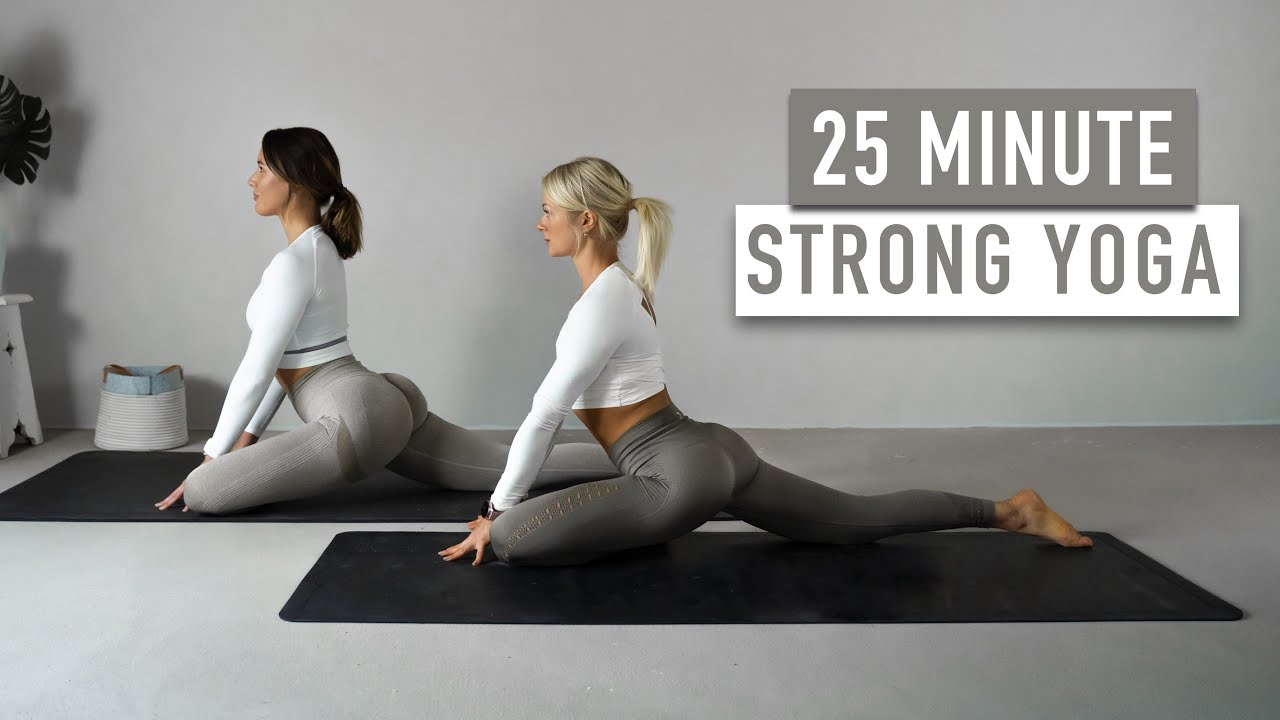
Establishing a consistent routine is key to reaping yoga's benefits fully. Consider dedicating 10-15 minutes every morning or during lunch breaks specifically for yoga practice. You may explore online classes tailored for office workers focusing on relieving tension from sitting all day or strengthening core muscles essential for good posture.
Joining an online class can provide structure while also connecting you with others who share similar goals—an added bonus that may enhance motivation.
Final Thoughts on Embracing Change
While adjusting office culture may take time, prioritizing personal health through practices like yoga can create ripple effects beyond individual benefits—it encourages healthier work environments overall. By committing to simple yet effective practices daily—whether through traditional mat sessions or chair-friendly modifications—you pave the way toward improved physical comfort at work.
Taking charge of one's health is empowering; integrating yoga into a busy lifestyle does not require perfection but rather persistence and intention that will ultimately lead you towards enhanced well-being at work and beyond.