Yin yoga is often perceived as a gentle, restorative practice focused on stretching and releasing tension in the body. This style emphasizes long-held postures, targeting the connective tissues—such as ligaments and fascia—rather than the muscles themselves. While this approach has significant benefits for flexibility and mindfulness, it raises an interesting question: can one gain strength through yin yoga alone?
To explore this, we need to understand what strength truly means in the context of physical fitness. Strength typically refers to the ability to exert force against resistance. Traditional strength training involves dynamic movements that engage muscles through various ranges of motion. In contrast, yin yoga's long holds may not provide the same level of muscle engagement. However, there are nuances that suggest a more complex relationship between yin yoga and strength building.
The Essence of Yin Yoga
Yin yoga is characterized by its slow-paced nature and extended holds—usually ranging from three to five minutes per pose. This practice allows practitioners to delve deep into their bodies, fostering a profound sense of relaxation and introspection. The primary focus is on enhancing flexibility, improving joint mobility, and cultivating a greater awareness of breath and body.
While yin yoga may not resemble traditional strength training methods like weightlifting or high-intensity interval training (HIIT), it does offer unique benefits that can indirectly support strength development. For instance, by increasing flexibility and range of motion, yin yoga prepares the body for here other forms of exercise that require muscle engagement.
Strength in Stillness
One misconception about yin yoga is that it lacks intensity or physical challenge. In reality, holding poses for extended periods can elicit significant engagement from the body's stabilizing muscles. These smaller muscles often go unnoticed during more dynamic practices but play a crucial role in overall stability and injury prevention.

Consider a pose like Sphinx or Seal; while these positions may seem passive at first glance, they require active engagement of core muscles to maintain alignment and balance over time. As you hold these poses, your body must work continuously to support itself against gravity, creating an opportunity for strength development—even if it's not as pronounced as with traditional workouts.
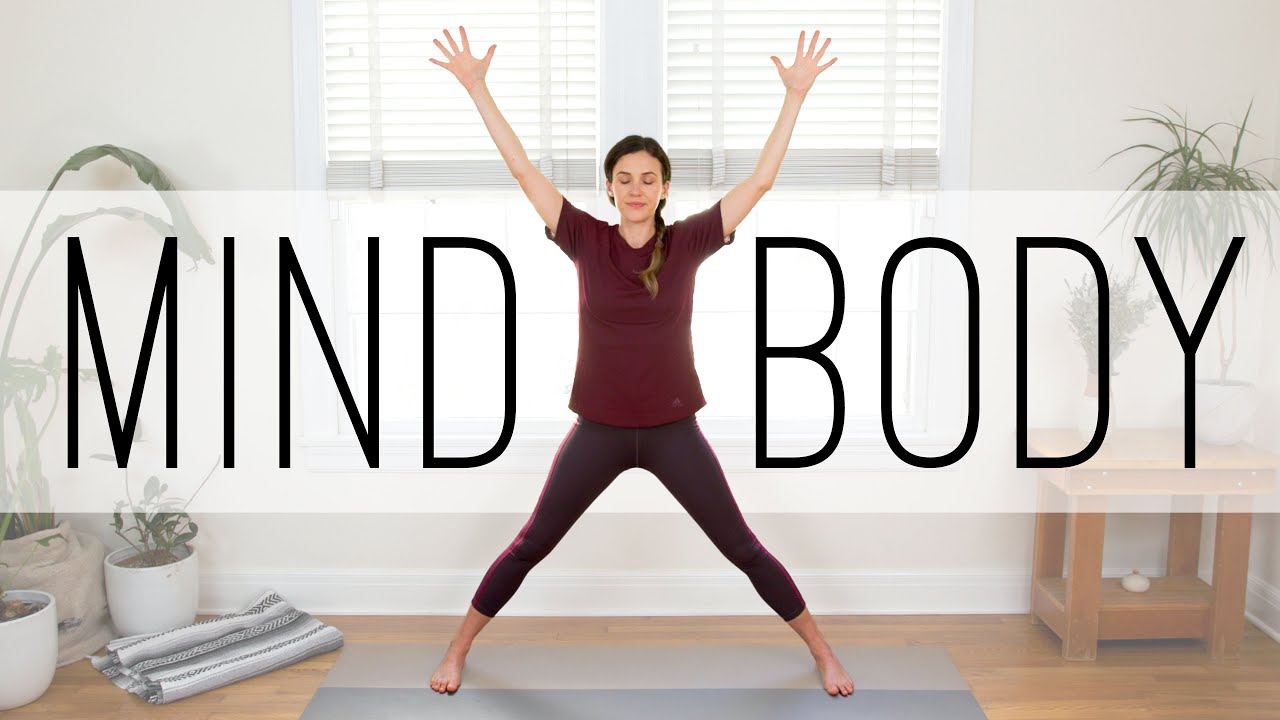
Yin Yoga vs Vinyasa: A Comparative Analysis
When comparing yin yoga with a more vigorous practice like Vinyasa flow, it's clear that each offers distinct advantages. Vinyasa emphasizes movement synchronized with breath; it builds heat in the body through continuous flow and engages major muscle groups dynamically. This active involvement promotes muscle hypertrophy—the increase in muscle size due to resistance training.
On the other hand, yin yoga focuses more on passive stretching and maintaining postures without much movement. While it may not build muscle mass in the same way Vinyasa does, it enhances joint health and promotes deeper releases in connective tissue—benefits critical for overall performance in any physical activity.

Understanding Muscle Engagement
In discussing whether yin yoga can contribute to strength gains, it's essential to consider how muscle engagement differs across various practices. During dynamic movements found in traditional workouts, muscles contract actively against resistance; however, in yin yoga's long holds, muscles engage isometrically or statically.
Though less intense than dynamic workouts, this form of engagement still fosters endurance within specific muscle groups. For beginners or those recovering from injuries, incorporating yin yoga into a fitness regimen can enhance muscular endurance without overwhelming the body with high-impact stressors.
Exploring Caloric Burn
Another factor worth considering is caloric burn during yin yoga sessions versus more vigorous activities. Generally speaking, yin yoga burns fewer calories compared to high-intensity workouts due to its slower pace and lower heart rate elevation. However, it can still be beneficial for overall fitness when integrated with other forms of exercise.
For individuals looking to lose weight or improve cardiovascular health alongside gaining strength from their routines, balancing yin with more vigorous practices may yield optimal results.
Recognizing Limitations
Yin yoga presents several limitations when viewed solely as a means for building strength:
Limited Muscle Activation: Long-held stretches primarily involve passive muscle activation rather than explosive power. Lack of Resistance: Without external weights or resistance bands involved in practice sessions, developing raw strength becomes challenging. Minimal Cardio Element: While beneficial for recovery days or gentle movement sessions post-high-intensity workouts, relying solely on yin may neglect cardiovascular conditioning. Potential Misconceptions: Some practitioners might mistakenly believe they are developing significant strength when engaging only in passive stretches. Injury Risk: Overextending during long holds without adequate counterbalancing activities could lead to imbalances or injuries over time.These limitations do not negate the value of incorporating yin into your routine but rather highlight its best use as part of a comprehensive exercise strategy.
Integrating Yin Yoga Into Your Fitness Routine
For those considering whether to rely solely on yin yoga for strength gains—consider integrating this practice alongside other modalities such as Vinyasa flow or weight training sessions tailored toward your fitness goals. Many athletes find success by utilizing recovery days filled with restorative practices like yin while complementing them with higher intensity workouts throughout their week.
Ultimately, while you can experience certain levels of muscular endurance through dedicated practice in Yin Yoga alone—it becomes evident that pairing it with complementary training styles will yield greater overall benefits across various aspects of fitness including strength development!
Embrace both stillness and movement within your journey toward optimal health—finding balance between these paths leads not only towards enhanced physical capabilities but also fosters deeper connections within yourself along each step taken forward!