Yoga is often perceived as a physical discipline, a series of poses designed to promote fitness and flexibility. While the physical benefits are undeniable, the spiritual side of yoga offers a profound depth that can transform one’s life in meaningful ways. Engaging with yoga beyond its physical aspects allows individuals to explore their inner selves, cultivate mindfulness, and foster personal growth.
Understanding the spiritual side of yoga begins with embracing its philosophy. At its core, yoga is about union—uniting the mind, body, and spirit. This concept can be traced back to ancient texts like the Yoga Sutras of Patanjali, which outline practices that extend far beyond mere physical postures. By integrating these teachings into daily practice, practitioners can develop a deeper sense of self-awareness and connection to something greater than themselves.
The journey towards creating a personal spiritual practice through yoga starts with intention setting. Intentions serve as guiding principles that shape your practice and help you remain focused on your goals. Setting an intention might involve reflecting on what you hope to achieve through your practice—be it inner calm, mental clarity, or emotional healing. For instance, if you're navigating stress in your life, you might set an intention centered around letting go Discover more here or finding peace amidst chaos.

As you establish this foundation, consider incorporating mindfulness into your routine. Mindfulness in yoga transcends simply being present during your mat time; it involves cultivating awareness throughout your day-to-day activities. This can be as simple as taking a moment to breathe deeply when faced with stress or practice gratitude through acknowledging small joys in life. Engaging fully in each moment helps sharpen mental clarity and fosters a sense of connection to your surroundings.
Meditation plays an essential role in connecting yoga to spirituality. It creates a space for introspection and self-exploration that enhances the overall experience of yoga. Regular meditation can lead you to experience profound states of relaxation and insight, opening pathways to understanding yourself on a deeper level. Even dedicating five minutes before or after your physical practice for quiet reflection can yield transformative results.
Yoga’s emphasis on breathwork (pranayama) also contributes significantly to developing spirituality without adhering strictly to any religious framework. Focusing on breath allows practitioners to tap into their life force energy (prana), promoting balance and harmony within the self. Techniques such as deep belly breathing or alternate nostril breathing not only calm the mind but also create space for intuitive awareness—an integral aspect of personal growth.
Engaging with philosophical texts related to yoga can deepen one's understanding of its spiritual significance. Reading materials such as “The Heart of Yoga” by T.K.V Desikachar or “The Bhagavad Gita” provides insights into how ancient wisdom applies today. These texts encourage readers to reflect on their values and beliefs while navigating their journey toward self-discovery.
Creating rituals around your practice can further enhance spiritual development through yoga. Rituals serve as anchors that ground our experiences and intentions; they imbue our practices with meaning and purpose. This could be lighting candles before practice, using essential oils during meditation, or maintaining a journal where reflections from each session are recorded. Such rituals create sacred space for exploration and growth.
Another powerful element is community engagement within the realm of yoga. Participating in group classes or workshops fosters connections with others who share similar interests in exploring spirituality through practice. Sharing experiences and learning from fellow practitioners cultivates empathy and understanding—a reminder that we are all interconnected.
As you navigate this path towards establishing a personal spiritual practice through yoga, remember that it is not about perfection or achieving specific outcomes; rather it is about progress and self-acceptance along the way. Each person’s journey will look different based on individual circumstances, beliefs, and experiences.
Incorporating these elements into your routine encourages growth not just physically but also spiritually—allowing you access to inner calm amidst life's challenges while developing greater awareness of thoughts and emotions throughout daily activities.
For those seeking deeper engagement with their spirituality outside traditional religious frameworks, modern yoga offers numerous avenues for exploration without adhering strictly to dogma or doctrine—all while remaining grounded in practical application suited for everyday living.
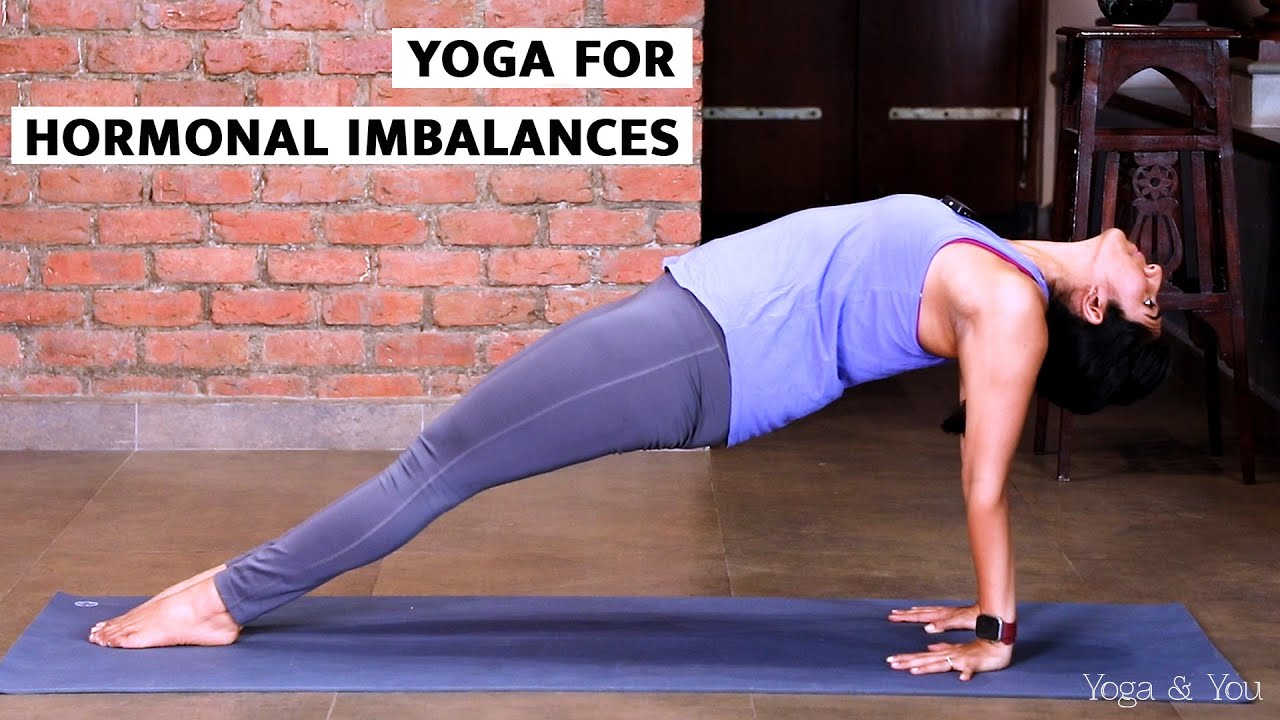

Ultimately, creating a personal spiritual practice through yoga requires patience and commitment but yields bountiful rewards over time—both individually and collectively within community settings—enriching lives by nurturing mind-body connections essential for holistic well-being.
Explore this journey at your own pace; allow room for flexibility both physically during pose transitions as well as mentally when approaching challenges encountered along the way! Embrace every opportunity presented within each session spent either alone on your mat or among fellow practitioners—all leading toward enhanced clarity around what true balance means personally in today's fast-paced world we inhabit together!